
 Tweet
Tweet
Trump's Right About ‘Ridiculous’ Misuse of U.S. Troops
The withdrawals from Syria and Afghanistan reflect a welcome willingness to question endless military commitments.
[...]
"The United States cannot continue to be the policeman of the world," Trump said during his visit to Iraq last week. "We're spread out all over the world. We're in countries that most people have never even heard about. And, frankly, it's ridiculous."
Trump is right. It's ridiculous that the United States has 26,000 military personnel in South Korea 65 years after the Korean War, 54,000 in Japan 73 years after World War II, and 64,000 in a dozen European countries 27 years after the collapse of the Soviet Union.
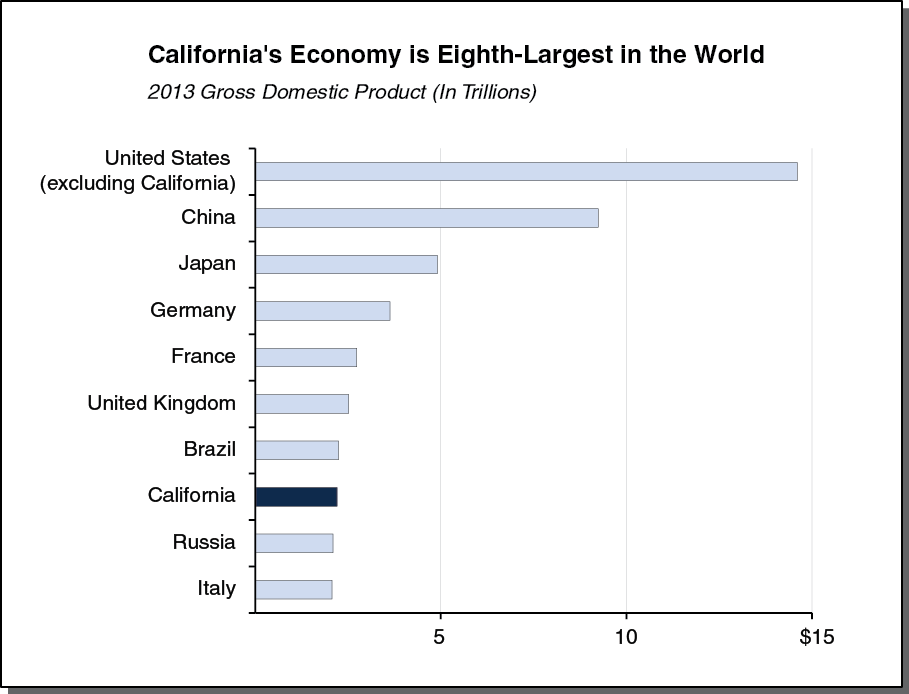
These countries are perfectly capable of defending themselves. South Korea's economy is around 50 times as big as North Korea's, while Japan and Germany have the world's third and fourth highest GDPs, respectively.
Under the hysterical headline "Trump Unleashed: Mattis Exit Paves Way for Global Chaos," CNN reporter Stephen Collinson says "it's no longer absurd to ask questions like whether the President will suddenly decide to pull American troops home from South Korea after decades of keeping the peace or even pulling out of NATO." Collinson, of course, thinks it's self-evidently absurd to suggest that either move would be a good idea.
Trump is right to question commitments that the national security establishment takes for granted, and in this case his lack of sophistication is an asset. But even ardent interventionists like Sen. Lindsey Graham (R-S.C.), who complained that Trump's Syria announcement "rattled the world," have trouble keeping track of the country's military operations.
"I didn't know there was 1,000 troops in Niger," Graham, a member of the Senate Armed Services Committee, confessed after four American soldiers were killed there in October 2017. With U.S. troops deployed in more than 150 countries, perhaps Graham can be forgiven for overlooking a few.
[...]
The withdrawals from Syria and Afghanistan reflect a welcome willingness to question endless military commitments.
[...]
"The United States cannot continue to be the policeman of the world," Trump said during his visit to Iraq last week. "We're spread out all over the world. We're in countries that most people have never even heard about. And, frankly, it's ridiculous."
Trump is right. It's ridiculous that the United States has 26,000 military personnel in South Korea 65 years after the Korean War, 54,000 in Japan 73 years after World War II, and 64,000 in a dozen European countries 27 years after the collapse of the Soviet Union.
These countries are perfectly capable of defending themselves. South Korea's economy is around 50 times as big as North Korea's, while Japan and Germany have the world's third and fourth highest GDPs, respectively.
Under the hysterical headline "Trump Unleashed: Mattis Exit Paves Way for Global Chaos," CNN reporter Stephen Collinson says "it's no longer absurd to ask questions like whether the President will suddenly decide to pull American troops home from South Korea after decades of keeping the peace or even pulling out of NATO." Collinson, of course, thinks it's self-evidently absurd to suggest that either move would be a good idea.
Trump is right to question commitments that the national security establishment takes for granted, and in this case his lack of sophistication is an asset. But even ardent interventionists like Sen. Lindsey Graham (R-S.C.), who complained that Trump's Syria announcement "rattled the world," have trouble keeping track of the country's military operations.
"I didn't know there was 1,000 troops in Niger," Graham, a member of the Senate Armed Services Committee, confessed after four American soldiers were killed there in October 2017. With U.S. troops deployed in more than 150 countries, perhaps Graham can be forgiven for overlooking a few.
[...]
Yet folks argue that Russia is very much a threat and we need to remain in Europe. Russia's GDP is sh*t (about the same as Cali...) and their military isn't much stronger than any other European power. Of course, their main threat is nuclear but having a troop build up in Europe isn't going help against that other than creating more targets outside of the US mainland.


 :rockon2:


Comment