If this is your first visit, be sure to
check out the FAQ by clicking the
link above. You may have to register
before you can post: click the register link above to proceed. To start viewing messages,
select the forum that you want to visit from the selection below.
Your position is that GDP is not a good measure of economic health. Yet your proof is that GDP is not a measure of human well-being. Those two things are not the same. What are you trying to assert here? Because it does not seem like your data matches your conclusion.
Brilliant—you figured out that a strong GDP does not equate to or reflect social well-being :thumbs up:
LOL ... Jeff sounds like Sally Field at the Oscars: "Right now, you like me!"
Did a quick search on wether GDP is a good measure of economic health, and here is the AI summary:
"Gross Domestic Product (GDP) measures a nation's total economic output but fails to reflect actual societal well-being. Its primary pitfalls include ignoring income inequality, hiding environmental degradation, excluding unpaid labor, treating natural disasters as economic boons, and failing to account for the true value of modern digital services."
Your position is that GDP is not a good measure of economic health. Yet your proof is that GDP is not a measure of human well-being. Those two things are not the same. What are you trying to assert here? Because it does not seem like your data matches your conclusion.
Dude, you posted an article that basically proves the initial point, which is that Americans make a ton of money compared to Europeans.
lol ... it is a measure of total economic output, not that "Americans" make a ton of money. The more accurate statement is American companies make a ton of money. Most Americans incomes are stagnant:
My Insta has been littered with videos of Europeans and UK folks expressing surprise for how things are in America and it is not what it is portrayed in their country. They are living the World Cup.
It will be interesting to see the influx of immigrants we will see from these countries after the World Cup.
I've said before that Trump does not scare me nearly as much as what will follow Trump. His intelligence and lack of qualifications will create natural limits to the extent of damage he can do. But he can take down guardrails that would have held in check that will follow.
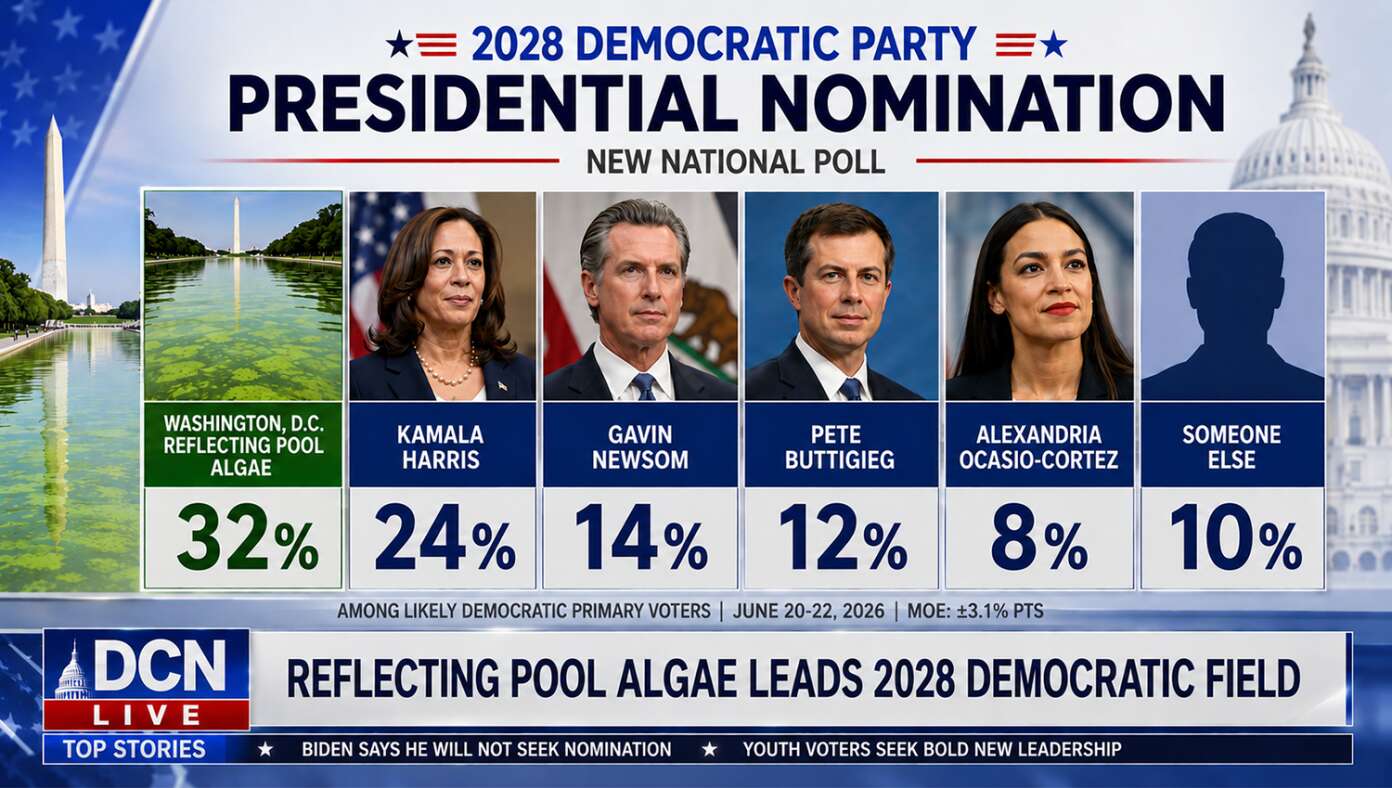
Unrelatedly, pretty sure AOC is gonna run.
Makes sense in this weird attention economy landscape
LOL ... Jeff sounds like Sally Field at the Oscars: "Right now, you like me!"
Did a quick search on wether GDP is a good measure of economic health, and here is the AI summary:
"Gross Domestic Product (GDP) measures a nation's total economic output but fails to reflect actual societal well-being. Its primary pitfalls include ignoring income inequality, hiding environmental degradation, excluding unpaid labor, treating natural disasters as economic boons, and failing to account for the true value of modern digital services."
Ahh, the panacea of Trump leaving office. Trumps policies are a reflection of the US electorates view on immigration on the whole—you can pretend otherwise but much of what Trump is now enforcing was set in motion by the Obama administration and only further entrenched in American bureaucracy by congressional gridlock.
That GDP being touted here in this thread is a part of the challenge. Those in the US who benefit from it don't wanna share.
I've said before that Trump does not scare me nearly as much as what will follow Trump. His intelligence and lack of qualifications will create natural limits to the extent of damage he can do. But he can take down guardrails that would have held in check that will follow.
100% agree. The Trump administration cannot end quickly enough.
Ahh, the panacea of Trump leaving office. Trumps policies are a reflection of the US electorates view on immigration on the whole—you can pretend otherwise but much of what Trump is now enforcing was set in motion by the Obama administration and only further entrenched in American bureaucracy by congressional gridlock.
That GDP being touted here in this thread is a part of the challenge. Those in the US who benefit from it don't wanna share.
I highly recommend Peter Zeihan's "The Accidental Superpower" for a discussion on geopolitical factors that led to America's rise and dominance, and projections on what the future would hold. (He recently published a ten-years-later edition where he reviewed some of his predictions, which as you can imagine were a mixed bag-- including among other things a prediction that Alberta would secede from Canada and petition to join the Union-- but the discussion on why some of his projections have not panned out are also interesting.)
The TLDR summary: the US rose to power in no small part due to highly favorable geographic factors, including an unmatched overland waterway system into some of the most extensive and fertile farmland to be found anywhere in the world, two oceans separating it from rivals on the east or west and other factors preventing Canada or Mexico from posing any serious threats, access to energy, and demographic trends that will be challenging for everybody but which the US can navigate as well as if not better than anyone.
I hope he's right. But, there are any number of ways the US might just knock itself off track.
Immigration will play prominently in that discussion. One of the reasons the US is positioned to navigate the demographics trends better than most is that it is in the best position to attract and retain immigrant populations that will ease the reversal of the population bell curve. Immigration is no silver bullet, but it is a critical tool in the shed. If the country used a smart immigration policy that both attracted international talent and filled out a base of workers to support an increasing retiree population, it would do much to help us weather the storm. Instead, we are actively discouraging immigration-- even the channels where we could select the best and brightest.
Even though all various super and less superpowers might have more favorable economic indicators for the future, it just seems like the US has so many favorable conditions for it to cede it's #1 GDP status any time soon. And if the US starts declining, all of the other countries are in the same boat so to speak. Things could get bleak for the US but it will likely be relatively better than most others.
It will be interesting to watch if the MAGA mentality alters the immigration future. There are plenty of research opportunities in the world, and the smart countries would be wise to cater to immigrants that normally would look first to the US. It would take something catastrophic to alter the US's world position in research opportunities, but the beta countries should start updating their immigration plans immediately. There will be a significant proportion of researchers who will be willing to work elsewhere to not worry about immigration hassles.
It will be an interesting future no doubt. Here's hoping that the ~30% pay cut I took to extricate myself from the US economic powerhouse won't get any bigger!
Immigration will play prominently in that discussion. One of the reasons the US is positioned to navigate the demographics trends better than most is that it is in the best position to attract and retain immigrant populations that will ease the reversal of the population bell curve. Immigration is no silver bullet, but it is a critical tool in the shed. If the country used a smart immigration policy that both attracted international talent and filled out a base of workers to support an increasing retiree population, it would do much to help us weather the storm. Instead, we are actively discouraging immigration-- even the channels where we could select the best and brightest.
100% agree. The Trump administration cannot end quickly enough.
I highly recommend Peter Zeihan's "The Accidental Superpower" for a discussion on geopolitical factors that led to America's rise and dominance, and projections on what the future would hold. (He recently published a ten-years-later edition where he reviewed some of his predictions, which as you can imagine were a mixed bag-- including among other things a prediction that Alberta would secede from Canada and petition to join the Union-- but the discussion on why some of his projections have not panned out are also interesting.)
The TLDR summary: the US rose to power in no small part due to highly favorable geographic factors, including an unmatched overland waterway system into some of the most extensive and fertile farmland to be found anywhere in the world, two oceans separating it from rivals on the east or west and other factors preventing Canada or Mexico from posing any serious threats, access to energy, and demographic trends that will be challenging for everybody but which the US can navigate as well as if not better than anyone.
I hope he's right. But, there are any number of ways the US might just knock itself off track.
Immigration will play prominently in that discussion. One of the reasons the US is positioned to navigate the demographics trends better than most is that it is in the best position to attract and retain immigrant populations that will ease the reversal of the population bell curve. Immigration is no silver bullet, but it is a critical tool in the shed. If the country used a smart immigration policy that both attracted international talent and filled out a base of workers to support an increasing retiree population, it would do much to help us weather the storm. Instead, we are actively discouraging immigration-- even the channels where we could select the best and brightest.




Leave a comment: