If this is your first visit, be sure to
check out the FAQ by clicking the
link above. You may have to register
before you can post: click the register link above to proceed. To start viewing messages,
select the forum that you want to visit from the selection below.
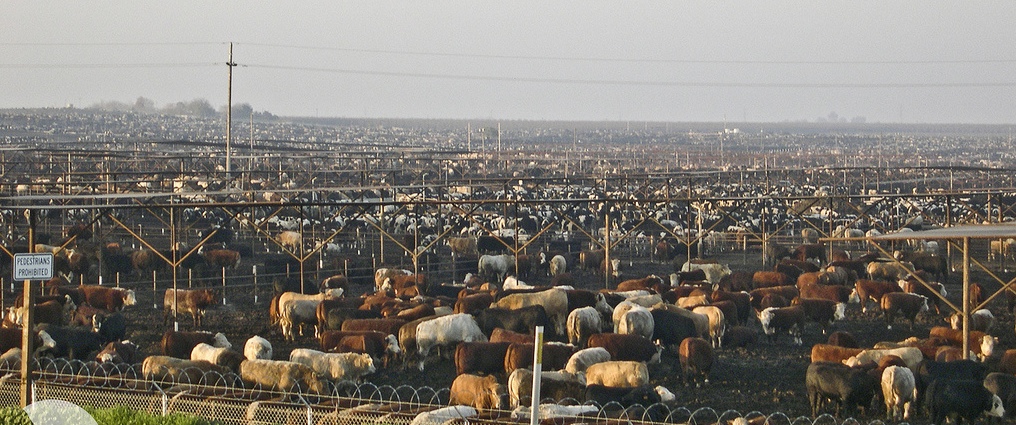
It takes 1.1 gallons of water to grow 1 almond. There are 80 almonds in a gallon of almond milk. (It's mostly water and seaweed). So about 85 gallons of water to make 1 gallon of almond milk. It takes up to 2,000 gallons of water to produce 1 gallon of milk. Freakin' cows.
It takes 1.1 gallons of water to grow 1 almond. There are 80 almonds in a gallon of almond milk. (It's mostly water and seaweed). So about 85 gallons of water to make 1 gallon of almond milk. It takes up to 2,000 gallons of water to produce 1 gallon of milk. Freakin' cows.
Seems like this Natural News site is the source of that 2,000 gallons claim:
The LA Times quotes National Geographic as saying that it only takes 880 gallons of water to produce 1 gallon of milk - not the 2,000 gallons that Health Ranger Mike claimed. So, as usual, YOhio is right again.
Just to get a sense of how much water goes into growing and processing what we eat, here's a list of the water footprint for some common foods, via National Geographic:
A 1/3-pound burger requires 660 gallons of water. Most of this water is for producing beef (see below).
cComments
Got something to say? Start the conversation and be the first to comment.
ADD A COMMENT
0
1 pound of beef requires 1,799 gallons of water, which includes irrigation of the grains and grasses in feed, plus water for drinking and processing.
1 slice of bread requires 11 gallons of water. Most of this water is for producing wheat (see below).
1 pound of wheat requires 132 gallons of water.
1 gallon of beer requires 68 gallons of water, or 19.8 gallons of water for 1 cup. Most of that water is for growing barley (see below).
1 pound of barley requires 198 gallons of water.
1 gallon of wine requires 1,008 gallons of water (mostly for growing the grapes), or 63.4 gallons of water for 1 cup.
1 apple requires 18 gallons of water. It takes 59.4 gallons of water to produce 1 cup of apple juice.
1 orange requires 13 gallons of water. It takes 53.1 gallons of water for 1 cup of orange juice.
1 pound of chicken requires 468 gallons of water.
1 pound of pork requires 576 gallons of water.
1 pound of sheep requires 731 gallons of water.
1 pound of goat requires 127 gallons of water.
1 pound of rice requires 449 gallons of water.
1 pound of corn requires 108 gallons of water.
1 pound of soybeans requires 216 gallons of water.
1 pound of potatoes requires 119 gallons of water.
1 egg requires 53 gallons of water.
1 gallon of milk requires 880 gallons of water, or 54.9 gallons of water for 1 cup. That includes water for raising and grazing cattle, and bottling and processing.
1 pound of cheese requires 600 gallons of water. On average it requires 1.2 gallons of milk to make 1 pound of cheese.
1 pound of chocolate requires 3,170 gallons of water.
1 pound of refined sugar requires 198 gallons of water.
1 gallon of tea requires 128 gallons of water, or 7.9 gallons of water for 1 cup.
1 gallon of coffee requires 880 gallons of water, or 37 gallons of water for 1 cup. "If everyone in the world drank a cup of coffee each morning, it would 'cost' about 32 trillion gallons of water a year," National Geographic notes.
It takes 1.1 gallons of water to grow 1 almond. There are 80 almonds in a gallon of almond milk. (It's mostly water and seaweed). So about 85 gallons of water to make 1 gallon of almond milk. It takes up to 2,000 gallons of water to produce 1 gallon of milk. Freakin' cows.
As long as the cows are not in California, not a problem.
It takes 1.1 gallons of water to grow 1 almond. There are 80 almonds in a gallon of almond milk. (It's mostly water and seaweed). So about 85 gallons of water to make 1 gallon of almond milk. It takes up to 2,000 gallons of water to produce 1 gallon of milk. Freakin' cows.
That works out to around 265,000 cubic meters. Or about the same amount used by 514 homes. That wouldn't even register as a blip on your almond production bar chart.
Furthermore, check out this quote:
Fundamental misunderstanding of the water cycle. Most of our water comes from evaporation from the oceans. Injecting a relatively tiny amount of water in the ground will have zero long-term impact on long-term water availability.
You make great points. Is restricting almond production the answer?
Even in the midst of its historic, ongoing drought, California used millions of gallons of water for hydraulic fracturing last year, according to state officials.
The state used nearly 70 million gallons of water to frack for oil and gas in 2014, Reuters reported last week.
That works out to around 265,000 cubic meters. Or about the same amount used by 514 homes. That wouldn't even register as a blip on your almond production bar chart.
Furthermore, check out this quote:
But Patrick Sullivan, spokesperson for the Center for Biological Diversity and Californians Against Fracking, says that while this figure may be correct, using water for fracking isn’t the same as using water for household tasks, like brushing teeth or washing dishes. That water is cycled back into the overall water supply, while water used for fracking is typically too contaminated to be used again for things like irrigation or drinking.
“It is water that most likely cannot be put back into the water cycle,” he told ThinkProgress. “It’s water that is by and large gone for good.”
Fundamental misunderstanding of the water cycle. Most of our water comes from evaporation from the oceans. Injecting a relatively tiny amount of water in the ground will have zero long-term impact on long-term water availability.
So how much water does almond production alone use? More water is used in almond production than is used by all the residents and businesses of San Francisco and Los Angeles combined. Here’s a chart from Mother Jones:




Leave a comment: